

WHAT OUR CUSTOMERS ARE SAYING
"Knox is the best. I never have any pest issues which is proof their product works. The technicians are always very accommodating and the billing department is very professional."
Spring and warm weather often bring winged insects indoors or around our home’s perimeter. Spotting a swarm of winged pests can be alarming, but knowing what you are dealing with is crucial for taking prompt action. While flying ants are mostly a nuisance, swarming termites pose a serious threat to your property’s structural integrity.

Inspect Body Shapes and Waist Profiles
Examining the insect’s body structure provides an immediate clue to its identity. Flying ants possess a distinctly pinched, narrow waist divided into three distinct body segments. Conversely, swarming termites feature a broad, uniform waist with a uniform width along their entire body length, making them appear virtually seamless from head to tail upon close observation.
Compare Wing Lengths and Shapes
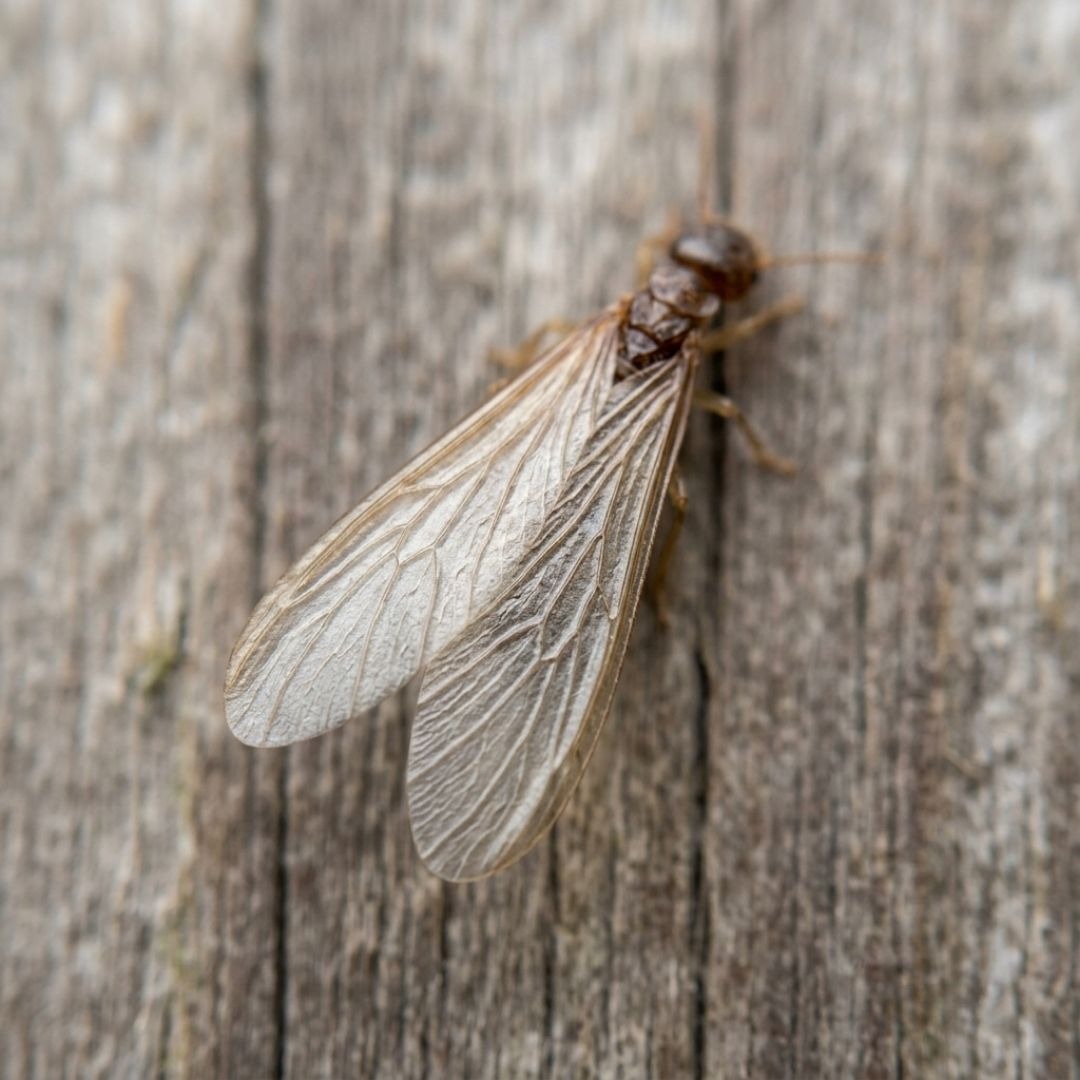
Wing proportions offer another reliable visual indicator during identification. Termites possess four wings of equal size and shape, extending significantly beyond their bodies and resting flat over their backs. Flying ants also have four wings, but their front pair is noticeably larger than the hind pair, giving them an unequal, distinct appearance when observed carefully.
Check Antennae Shape and Texture
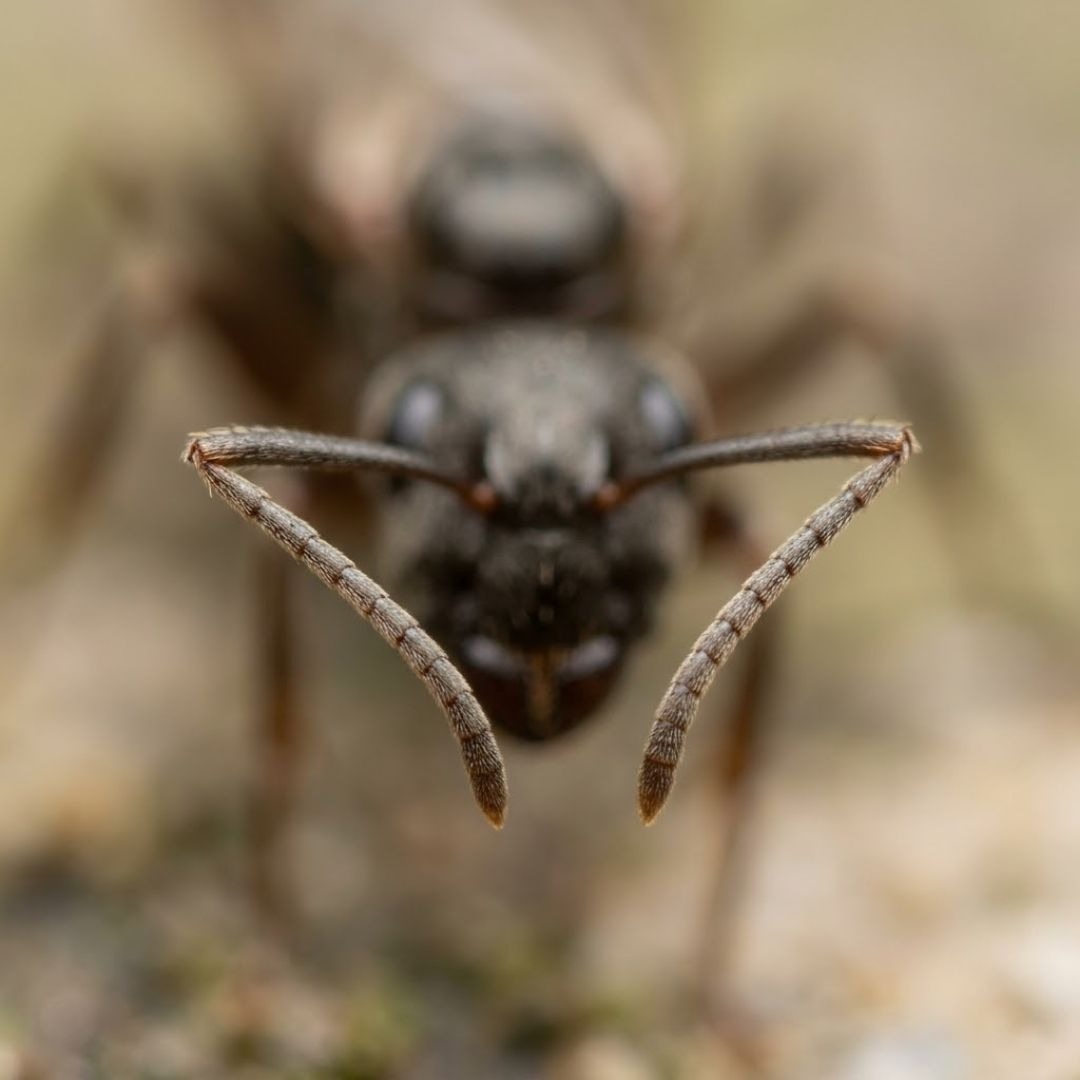
Take a closer look at the antennae attached to the pest’s head for guidance. Flying ants display distinctly bent or elbowed antennae that curve sharply inward. In contrast, termite antennae are entirely straight and resemble tiny strings of microscopic beads. This subtle difference helps our team quickly differentiate between these two common invaders during inspections.

Look for Discarded Wings and Debris
The evidence left behind after swarming activity tells an important story. Termites shed their wings shortly after mating, leaving piles of identical translucent wings on windowsills, counters, or near light sources. Flying ants rarely shed their wings in such visible quantities, making scattered wing piles a strong warning sign of an active termite infestation.
Identifying whether you have flying ants or swarming termites is the crucial first step in defending your home against unexpected damage. While flying ants indicate localized moisture or ant activity, termites require immediate professional intervention to safeguard your home’s framing and foundation. At Knox Pest Control, our comprehensive residential pest control solutions ensure your home stays protected year-round from wood-destroying insects and other invasive pests. If you suspect swarming activity around your property, explore our home pest control services or contact our experienced technicians today to schedule a thorough home inspection.